
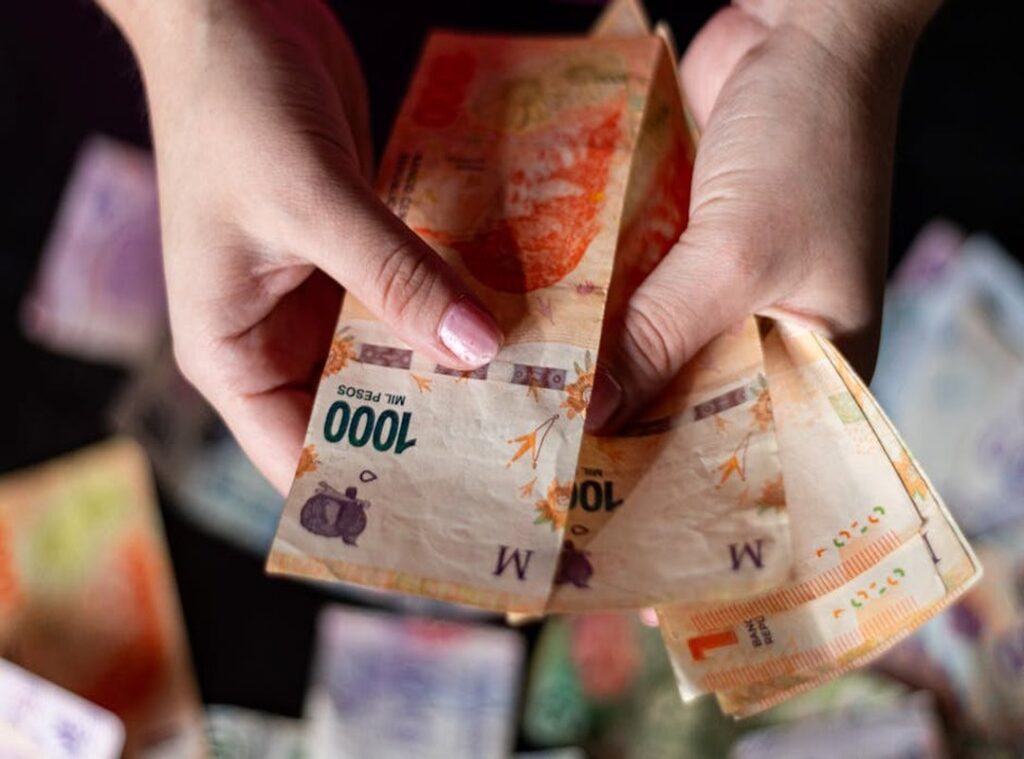
Converting 2500 pesos mexicanos en soles can be a bit of a headache.
Especially if you’re traveling or doing business across borders.
You might wonder, why do I need to know this? Well, it’s simple.
Knowing how to convert currencies can save you from getting ripped off.
I’ve been there, and trust me, it’s not fun.
This article will help you understand the process step by step.
No fancy jargon, just plain and simple.
So, let’s get started.
Understanding the Currencies: Mexican Peso (MXN) and Peruvian Sol (PEN)
The Mexican Peso has a long history, dating back to the 19th century. Today, it’s the official currency of Mexico, used in everyday transactions across the country.
The Peruvian Sol is a bit younger, introduced in 1991. It replaced the inti and became the official currency of Peru. You’ll see it used in all sorts of transactions, from buying groceries to paying for services.
Why do we need to understand currency conversion? Well, if you’re traveling or doing business, it’s crucial.
Imagine you’re in Peru and you have 2500 pesos mexicanos en soles. You need to know how much that is in Peruvian Sol to make sure you’re not overpaying or underestimating your budget.
For travelers, knowing the exchange rate helps you plan your expenses better. For businesses, it’s about making accurate financial decisions and avoiding costly mistakes.
Understanding these basics can save you a lot of headaches. Trust me, I’ve seen people get caught off guard more times than I can count.
Current Exchange Rate: MXN to PEN
Finding the current exchange rate from Mexican Pesos (MXN) to Peruvian Soles (PEN) is pretty straightforward. You just need to know where to look.
Pro tip: Always check a few different sources to get an average. This way, you can be sure you’re getting the most accurate rate.
Websites like XE, OANDA, and even major banks usually have up-to-date exchange rates. These platforms are reliable and used by both professionals and everyday folks.
Knowing the current rate is crucial, especially if you’re planning to convert 2500 pesos mexicanos en soles or any other amount. It helps you make informed decisions and avoid getting short-changed.
Factors that affect exchange rates include economic indicators, interest rates, and market trends. These can change quickly, so staying on top of them is key.
Understanding these factors gives you an edge. You can spot good times to buy or sell, saving or making more money in the process.
In the end, it’s all about being prepared. With the right information, you can handle your finances better and feel more confident in your financial moves.
Step-by-Step Conversion: 2500 MXN to PEN
Converting 2500 pesos mexicanos en soles might seem a bit tricky, but it’s actually pretty straightforward. Let’s break it down step by step.
-
Obtain the Current Exchange Rate: First, you need to find the latest exchange rate from Mexican Pesos (MXN) to Peruvian Soles (PEN). This is crucial because rates can fluctuate daily.
-
Perform the Calculation: Once you have the current rate, multiply 2500 MXN by that rate. For example, if the rate is 0.15 PEN per MXN, the calculation would be:
2500 MXN * 0.15 PEN/MXN = 375 PEN
- Verify the Result: It’s always a good idea to double-check your calculation. Use a reliable online conversion tool or a financial app to ensure accuracy.
By following these steps, you can easily convert 2500 MXN to PEN. Simple, right? Now, you can make sure you’re getting the best value for your money.
Practical Tips for Converting Currencies
When it comes to converting currencies, you’ve got a few options. Let’s break them down.
Using Online Converters: Benefits and How to Use Them Effectively
Online converters are super handy. They give you real-time exchange rates and can be used from anywhere. Just type in the amount, select the currencies, and boom—you get your conversion.
Easy, right?
But some folks argue that online converters aren’t always accurate. They say the rates can change by the time you actually make the transaction. That’s true, but most reputable sites update their rates frequently.
Plus, they’re a lot more convenient than going to a bank or an ATM.
Bank and ATM Fees: Understanding and Minimizing Conversion Fees
Banks and ATMs are another option, but watch out for those fees. Banks often charge a percentage of the amount you’re converting, and ATMs can hit you with both a flat fee and a percentage. It adds up fast.
To minimize these fees, try using your debit card at ATMs in the country you’re visiting. Some banks offer better international rates and lower fees. Always check with your bank before you travel.
Traveler’s Checks and Prepaid Cards: Alternative Methods for Managing Foreign Currency
Traveler’s checks and prepaid cards are also worth considering. Traveler’s checks are like cash, but they’re replaceable if lost or stolen. Prepaid cards let you load a set amount of money and use it like a debit card.
Both are safer than carrying a wad of cash.
Some people think traveler’s checks are outdated. Sure, they’re not as common, but they still have their place, especially in places where credit cards aren’t widely accepted.
Real-World Example
Let’s say you need to convert 2500 pesos mexicanos en soles. An online converter will give you the current rate, and you can do the math quickly. If you’re in Peru, using a local ATM might be your best bet, just remember to check the fees first.
Final Thoughts
In the end, it’s all about what works best for you. Online converters are quick and easy, but banks and ATMs offer more traditional methods. Traveler’s checks and prepaid cards add an extra layer of security.
Choose the method that fits your needs and helps you avoid unnecessary fees.
For more tips on managing your finances, check out Housezonespot.
Common Mistakes to Avoid When Converting Currencies
I once tried to convert 2500 pesos mexicanos en soles for a trip to Peru. It was a disaster. I ended up with way less money than I expected.
Here’s what I learned.
Mistake 1: Using Stale Exchange Rates
Always check the most recent rates.
I thought I had the latest rate, but it turns out I was using an outdated one. The difference was significant.
Mistake 2: Ignoring Fees
Be aware of hidden costs from banks and ATMs.
When I went to the ATM in Lima, I got hit with a hefty fee. It ate into my budget more than I anticipated.
Mistake 3: Overlooking Local Regulations
Some countries have restrictions on currency exchange.
In Peru, there were specific rules about how much cash you could bring in. I almost got into trouble because I didn’t know.
By avoiding these mistakes, you can save a lot of money and hassle. Trust me, it’s worth the extra effort.
Real-World Scenarios: When You Might Need to Convert 2500 MXN to PEN

Traveling from Mexico to Peru can be an adventure. Imagine you’re in a bustling market in Lima, and you see a beautiful handmade alpaca sweater. You need to know how much 2500 pesos mexicanos en soles is to make sure you’re not overpaying.
Business transactions are another scenario. If you run a small business and need to pay a Peruvian supplier, converting 2500 MXN to PEN ensures you cover the cost without any surprises.
In both cases, having a good grasp of the exchange rate is key. It saves you from making costly mistakes.
Mastering Currency Conversion
Understanding and converting currencies is crucial in today’s global economy. It allows for seamless transactions and financial planning across borders.
The Solution
To convert 2500 pesos mexicanos en soles, first, find the current exchange rate between Mexican Pesos (MXN) and Peruvian Soles (PEN). Use a reliable online currency converter or consult with a financial institution. Multiply 2500 MXN by the current exchange rate to get the equivalent in PEN.
Final Thought
Stay informed about currency values and always use trusted sources for your conversions. This ensures accuracy and helps you make the best financial decisions.

 Billake Bartow is a passionate tech writer at HouseZoneSpot, known for his deep understanding of smart home innovations and digital living. His articles focus on practical technology that enhances everyday comfort, convenience, and energy efficiency in modern homes.