
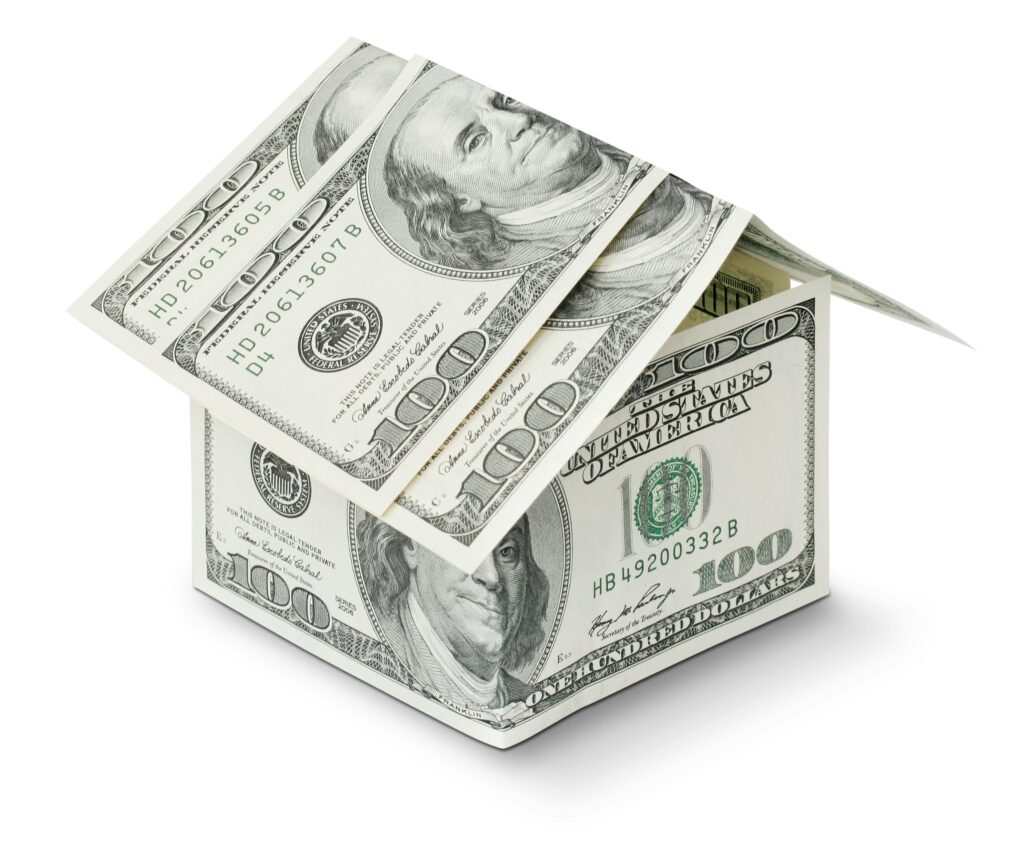
Know Your Market Before You List
Too many sellers guess the price of their home based on emotion or outdated info and it shows. If you want real offers fast, you have to start with facts. Pull up the most recent similar sales in your neighborhood. Look at final sale prices, not just listing numbers. Focus on homes with comparable square footage, condition, and lot size. If one house sold in 4 days while another sat for 40, ask why. That kind of intel is gold.
Timing is another make or break factor. Winter may be slower, but less competition can give serious sellers a surprising edge. Spring usually brings more buyers but more listings too. In hot markets, May and June often see bidding wars. In cooler ones, smart sellers list early before the summer lull hits.
Finally, your pricing strategy can either draw a crowd or push people away. Going too high “just to see” is a classic trap buyers skip overpriced listings without blinking. Price it right, and you set up momentum. Interest, showings, and offers usually spike in the first week. Miss the mark early, and you’ll be adjusting downward while your listing gets stale.
Small Upgrades, Big Returns
Not every renovation has to break the bank to increase the value of your home. In fact, some of the most profitable improvements are also the simplest. The key is knowing where to invest your time and money for the biggest return.
Focus on Cost Effective Improvements
Some upgrades are fast, affordable, and immediately boost buyer interest:
Lighting: Swap dated fixtures for modern, energy efficient options
Hardware: Replace cabinet handles, doorknobs, and faucets for a fresh look
Paint: Stick to neutral tones like white, beige, and soft gray to broaden appeal
These minor changes make a home feel cleaner, brighter, and more up to date.
Prioritize Kitchens and Bathrooms
No rooms influence buyer decisions more than the kitchen and bathrooms. Even small changes here can dramatically improve perceived value.
Re grouting tiles or replacing old faucets
Installing a new backsplash or countertop if budget allows
Updating vanity mirrors and bathroom lighting
Focus on functionality, cleanliness, and visual appeal. A dated bathroom or kitchen can be a deal breaker even in an otherwise well kept home.
Don’t Over Renovate
It’s easy to fall into the trap of upgrading until your budget’s gone. But costly overhauls rarely pay off dollar for dollar.
Avoid high end finishes that outprice your neighborhood
Aim to enhance the home’s strengths, not change its identity
Stop once the home looks well maintained and move in ready
Know when to say “good enough.” Over customizing or overspending could hurt your bottom line more than it helps.
The Power of Professional Staging
Staging isn’t just fluff it’s strategy. It helps buyers see the potential of a space, not the reality of your everyday life. When done right, staging creates emotional connection. A well placed armchair or a cleaned up entryway isn’t just décor it’s silent persuasion. And that persuasion translates into higher perceived value and often, a higher sale price.
Certain areas carry more weight than others. The entryway is your home’s first impression, so make it count: clean, light, and uncluttered. The living room is where buyers imagine hosting and relaxing; go for cozy and spacious, even in tight quarters. And the primary bedroom? It needs to feel serene. Think hotel level calm with minimal distractions.
If you’re looking to dig deeper into the staging move that could add extra thousands to your sale, check out our home staging tips.
Invest in Killer Listing Photos
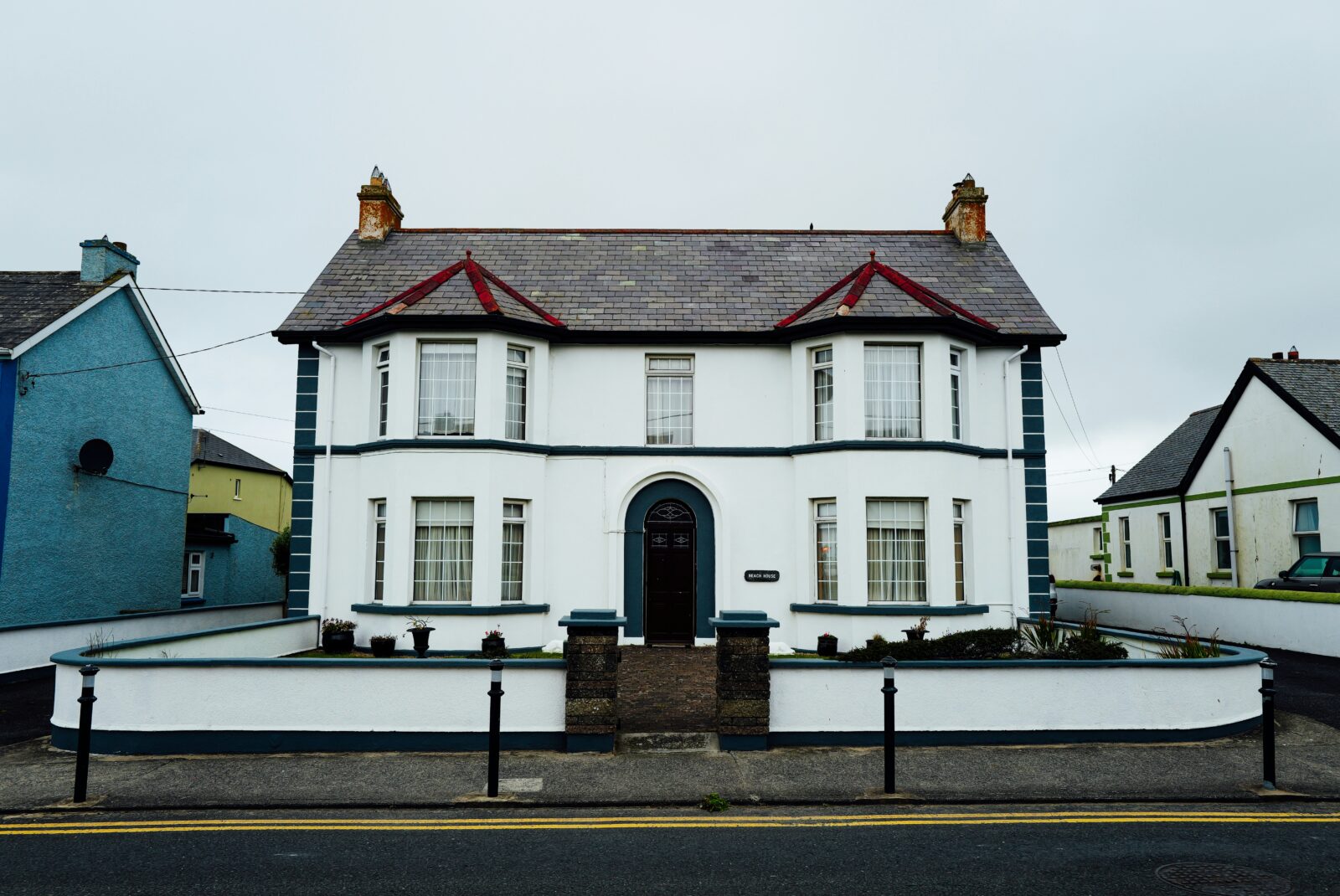
Before a buyer ever sets foot in your home, they’re sizing it up online. Your listing photos are the handshake, the first impression, the silent pitch and if they’re weak, most people won’t bother clicking further. Good visuals don’t just show a space; they sell it. Done right, photos (and videos) create emotional hooks, raise perceived value, and boost foot traffic to your listing.
Photography doesn’t require a huge budget, but it does demand attention. Natural lighting is your best friend shooting during daylight with curtains drawn open keeps things real and clean. Skip heavy filters. They date quickly and can turn off serious buyers. Choose wide angles, but not fish eye lenses, and highlight flow not just square footage. Most people aren’t buying walls; they’re buying lifestyle.
Want to really level up? Consider 3D walkthroughs, drone shots, or short video tours especially if your home has unique architecture or stunning exterior features. These extras help your place stand out in a scroll heavy world and make buyers linger just a little longer… which is the difference between a casual browser and a scheduled showing.
Time Your Sale for Maximum Leverage
Selling smart isn’t just about curb appeal it’s about timing. Statistically, homes listed in late spring April through early June sell the fastest and for the most money. In many markets, the first half of May comes out on top. Why? Families want to move during summer break, and longer daylight hours mean more showings.
As for days of the week, Thursday is golden. Listings that go live on Thursdays often get more weekend showings and stronger offers by Monday. It launches you into peak buyer attention just before they hit their open house rounds.
Understanding demand cycles helps you negotiate from a position of strength. In a hot market month, you’re less likely to need seller concessions or price drops. In slower seasons think late fall or mid winter you’ll need sharper pricing or added incentives, unless your property is truly one of a kind.
Finally, don’t overlook urgency. Limited time open houses, clear offer deadlines, or stating upfront that you expect multiple bids can light a fire under buyers. Time is leverage use it like a pro.
Work With the Right Agent
The truth is, your real estate agent can make or break your sale. Not all agents bring the same level of skill, hustle, or market insight. A top performer isn’t just someone with a pleasant demeanor and a shiny business card they know how to price precisely, market aggressively, and negotiate like it’s a sport.
So what should you be looking for? Start with a proven track record in your neighborhood, not just citywide. Ask how many homes they’ve sold in the past year, at what average sale to list price ratio, and how long their listings typically stay on the market. Drill down into their actual strategy: How do they market properties? Are they using professional photography, virtual tours, targeted digital ads? What kind of network do they bring to the table?
Before signing anything, come in with questions. Ask about cancellation policies. Probe their experience with homes like yours. Find out how communication will work weekly updates or radio silence? In this game, clarity upfront saves major stress later.
A strong agent might cost a bit more, but the right one can net you tens of thousands more through better pricing, stronger marketing, and tougher negotiations. Think of it less like a fee and more like an investment that pays back big.
Stage It, Shoot It, Sell It
Selling your home is no longer about one flashy tactic. It’s a combo move. Strategic upgrades, pro level staging, killer listing photos, and a razor sharp agent that’s how you build a selling game plan that means business. Each piece works harder when the others are dialed in.
Before that ‘for sale’ sign goes up, circle back to the essentials. Our rundown of home staging tips is a must read refresher. First impressions happen fast online. Make them count.
And remember, the market keeps shifting. One strategy that worked last year might fall flat today. The sellers walking away with top dollar deals? They’re playing smart, staying agile, and treating their home sale like the high stakes move it is.

 Gregory Martindalerons is a dedicated technology author at HouseZoneSpot bringing readers the latest updates on home automation, AI integration, and futuristic living solutions. His clear and engaging approach helps readers stay ahead in the evolving world of smart technology.