
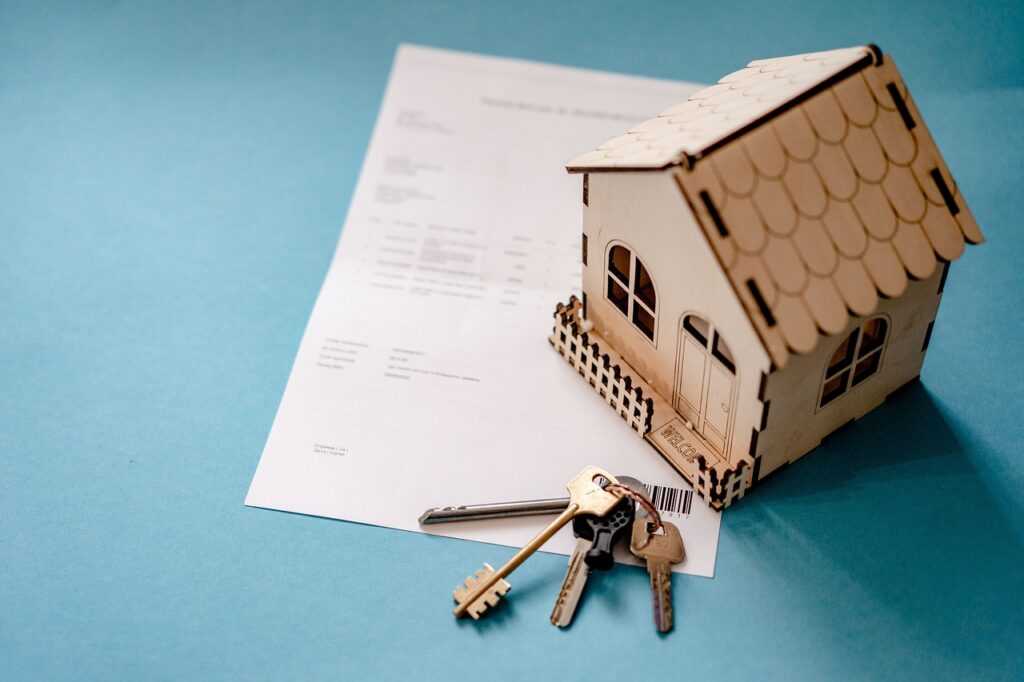
The Real Estate Investment Landscape Going Into 2026
If the past few years taught investors anything, it’s that real estate isn’t as bulletproof as it once seemed. Market volatility is sticking around. Interest rates haven’t been this unpredictable in over a decade. And while inflation might be cooling compared to 2022 2023 highs, it’s not going quietly. For real estate investors, that means tighter margins, sharper risk assessments, and less room for guesswork.
The old playbook buy a few rentals, wait for steady appreciation, retire early isn’t holding up like it used to. Flippers are finding slimmer profits. Buy and hold landlords are squeezed between rising maintenance costs and hesitant renters. Meanwhile, institutional players are gobbling up inventory in bulk, leaving individual investors to rethink their angles.
So what’s changing? The line between passive and active real estate income is becoming clearer and more strategic. Investors are leaning into passive tools like REITs and crowdfunding platforms for stable cash flow. At the same time, those still hustling with physical property are getting more tactical: short term rentals, value add renovations, and hybrid live invest properties are the name of the game.
In short, 2026 isn’t about sticking with what “used to work.” It’s about reevaluating based on current conditions and deciding whether you’re chasing active income through sweat equity or cash flow through passive structures.
Physical Property: The Tried and True Path
There’s something timeless about owning a physical piece of real estate. It’s tangible, it’s yours, and you call the shots. Whether it’s a single family rental, a multi unit property, or a commercial space, physical property gives investors total control from how it’s managed to when it’s sold.
Income wise, rental properties can generate steady monthly cash flow, especially in supply constrained markets. Factor in tax advantages like depreciation, mortgage interest deductions, and 1031 exchanges, and there’s real potential to boost returns while lowering your tax bill.
That said, this route isn’t simple or cheap. You need upfront capital for down payments, closing costs, and renovations. Time becomes a factor too being a hands on landlord or even hiring a property manager requires effort, money, and oversight. Things like late rent, broken boilers, or bad tenants will eventually land on your desk.
Then come the market risks. Property values and rental demand can swing based on economic cycles, neighborhood changes, or even natural disasters. Vacancies hit your bottom line fast. Maintenance costs pile up. And mismanaging any of it can drain your return.
For seasoned investors who want control and are ready to commit, physical ownership still holds serious weight. But it’s not passive. And it’s not forgiving if you go in unprepared.
REITs: Real Estate Without the Hassle
REITs or Real Estate Investment Trusts are companies that own, operate, or finance income generating real estate. When you buy shares of a REIT, you’re investing in a slice of a large portfolio of properties, ranging from apartment buildings to warehouses and data centers. Think of it as real estate, but in stock form.
One of the main draws of REITs is accessibility. You don’t need six figures to invest. Shares can be bought and sold like any stock, which gives you liquidity a stark contrast to the months it might take to sell physical property. Added bonus: REITs typically offer built in diversification across locations and property types, reducing the risk that comes with putting all your money into a single rental or commercial space.
REITs also have a strong track record of paying out dividends, thanks to legal requirements that they return at least 90% of taxable income to shareholders. Over time, many REITs have posted returns competitive with traditional real estate, especially when reinvesting those dividends.
That said, they’re not bulletproof. REITs are tied to the stock market, which means you’re exposed to market volatility. When interest rates jump or real estate panic hits, REIT prices can swing just like any other equity.
Still, for investors looking for a low maintenance entry into real estate that offers income, liquidity, and instant diversification, REITs deserve a close look.
For a full breakdown: REITs guide
Head to Head: REITs vs. Physical Property

When it comes down to it, real estate investing splits into two distinct camps: those who want to hold the bricks and those who don’t. Here’s how they stack up:
Ownership is the most obvious divider. Buying actual property means full control you own the house, the duplex, the commercial space. REITs, by contrast, let you buy a slice of a real estate portfolio through public markets. It’s closer to owning a mutual fund than a building.
Management follows naturally. Physical property requires hands on effort contractors, tenants, taxes. With REITs, you’re hands off. The work is outsourced to professionals while you watch from the sidelines.
Liquidity matters if you ever want to cash out. Selling a house takes time, paperwork, and patience. REITs, on the other hand, act like stocks you can offload shares with a few clicks.
When it comes to cash flow, physical property can offer bigger monthly returns if managed well. But it cuts both ways: vacancies, late rent, and repairs eat into margins. REITs won’t spike your income overnight, but they’re built for consistency. Many pay quarterly or monthly dividends.
Risk profile is another split. Physical property depends on the performance of one neighborhood or city. REITs diversify across regions, property types, and assets, smoothing out some of that volatility.
Finally, tax treatment differs. Owning property offers depreciation perks and potential write offs. REITs may provide tax efficient structures, especially in retirement accounts, but lack the depth of property based deductions.
Choose the path that fits your lifestyle, goals, and appetite for involvement. Both have a place but the tradeoffs are real.
Key Considerations Before Choosing
Before you commit to either REITs or physical property, take a hard look at what you’re actually ready for. First off time. If you want to be hands off, REITs win. They don’t need you fixing leaky faucets or chasing tenants. But if you’re up for the job (or hiring out the work), being a landlord gives you control and potentially more upside.
Initial capital’s another fork in the road. Physical real estate usually demands a hefty down payment, plus closing costs and reserves. Financing’s possible, sure, but it brings debt and risk. REITs, on the other hand, let you start investing for as little as the price of a stock.
Consider your stomach for risk too. Physical property ties you to local markets great in a boom, brutal in a downturn. With REITs, you’re more diversified but also subject to stock market swings. Either way, understanding the landscape matters more than jumping in blind.
And finally, know your end game. Want recurring income? REITs hand out steady dividends. Chasing long term equity or major appreciation? Owning a property might take you there along with the work that comes with it. Bottom line: match the strategy to your lifestyle, priorities, and risk profile. There’s no one size fits all.
Blended Strategy: Why Not Both?
Smart investors aren’t choosing between REITs and physical property they’re doing both. Each has its strengths, and combining them creates balance. REITs can provide steady dividend income and liquidity. Physical property builds long term equity and gives you a tangible asset you control. Together, they help you hedge market swings while keeping part of your capital easily accessible.
For example, someone might own a duplex that generates rental income and long term value while also holding REITs to stay invested in the market without tying up too much cash. When property maintenance or vacancies hit hard, REIT dividends can keep the cash flow steady. When markets dip, equity in a physical property can offer insulation.
This hybrid approach especially appeals to beginners and those diversifying an existing portfolio. It’s a way to stay flexible without giving up control or becoming a full time landlord.
Curious about how to get started with REITs? Check out this guide: REITs guide
Final Take
There’s no one size fits all answer in real estate investment especially in 2026, when markets are fast moving and investor expectations are sharper. REITs give you simplicity. You don’t have to manage a thing, you can get started with relatively low capital, and you’ll have access to a broad portfolio from day one. They’re flexible, liquid, and designed for people who want exposure without the operational side of things.
On the flip side, physical property gives you control. You call the shots on the asset, you can leverage financing, and there’s something powerful about owning something tangible you can improve. It takes effort and carries its own risks, but the potential for upside equity growth, tax benefits, cash flow can be worth the trade off.
So what’s the right call in 2026? It depends on what kind of investor you are. You need clarity on your goals, your time commitment, your appetite for control versus convenience. What matters is not just the asset, but how you manage it and whether you’re staying proactive in a changing market.

 Vionaryn Glimmerquill is the co-founder and tech visionary behind HouseZoneSpot With a passion for blending innovation and lifestyle, she writes about cutting-edge home technologies that redefine how we live, connect, and create smarter spaces.