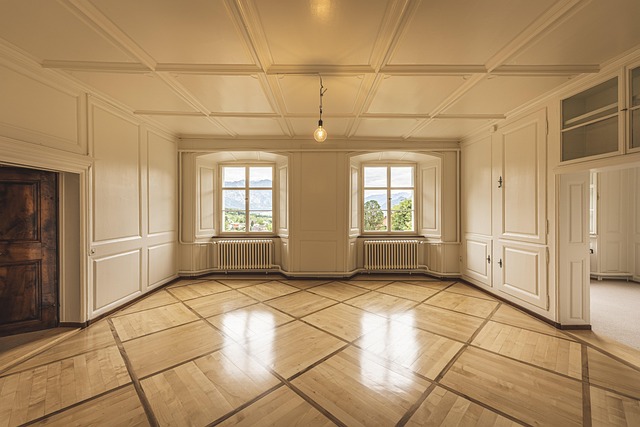

Aesthetic visuals can make or break your content. It’s true. You know it, I know it.
So why do so many creators struggle with this? It’s frustrating, right?
This article is here to help. We’ll dive into practical tips and strategies. No fluff, just real insights from industry experts.
You’ll get actionable advice to create visually stunning and engaging content. dark:ih71b_rxy_k= imagenes aesthetic is a game-changer. Trust me on this.
Let’s get started.
Understanding Aesthetic Visuals: The Basics
What are aesthetic visuals and why are they important?
Aesthetic visuals are all about making things look good. They’re not just pretty pictures; they play a crucial role in how people perceive and interact with your content.
Impact on Engagement: How visual aesthetics influence user behavior and content performance.
When something looks nice, people are more likely to engage with it. It’s that simple. Good aesthetics can make your content stand out, grab attention, and keep people interested longer.
Think about it. When you scroll through social media, which posts catch your eye? The ones that look clean and appealing, right?
Key Elements: Color, composition, typography, and imagery.
Color: Choose colors that complement each other and fit the mood of your content. For example, use cool blues and greens for a calming effect, or vibrant reds and oranges for energy.
Composition: Arrange elements in a way that’s balanced and pleasing to the eye. The rule of thirds is a great starting point. Divide your image into a 3×3 grid and place key elements along those lines.
Typography: Pick fonts that are easy to read and match the tone of your message. Don’t go overboard with fancy fonts; simplicity often works best.
Imagery: Use high-quality images that tell a story. Dark:ih71b_rxy_k= imagenes aesthetic can set the right mood and make your content more relatable.
By focusing on these key elements, you can create visuals that not only look great but also boost engagement and performance.
Choosing the Right Colors for Your Visuals
Color can make or break your visuals. It’s not just about looking good; it’s about feeling right.
Color Theory
Understanding the psychology of colors is key. Red, for example, can evoke excitement and urgency, while blue brings calm and trust. (Think about how you feel when you see a red sale sign versus a blue bank logo.)
Brand Consistency
Your color choices should align with your brand identity. If your brand is all about energy and fun, using bright, vibrant colors makes sense. But if you’re in a more serious industry, like finance, you might want to stick with more subdued tones.
Tools and Resources
There are plenty of tools out there to help you select and manage color palettes. Adobe Color and Coolors are great for generating and saving color schemes. (Pro tip: Use these tools to save your palettes and share them with your team for consistency.)
dark:ih71b_rxy_k= imagenes aesthetic
Choosing the right colors isn’t just about aesthetics; it’s about making sure your message resonates. Whether you’re designing a website, a brochure, or a social media post, the right colors can make a big difference.
Mastering Composition and Layout
The rule of thirds is a classic technique for creating balanced and visually pleasing compositions. Imagine dividing your frame into a 3×3 grid. Place key elements along these lines or at their intersections.
It’s simple but effective.
When it comes to symmetry and asymmetry, it’s all about the mood you want to set. Symmetry can create a sense of order and calm, perfect for formal or traditional designs. Asymmetry, on the other hand, adds a dynamic and modern feel.
Use symmetry when you want balance, and break it when you need to add interest and movement.
Focal points are crucial. You want to guide the viewer’s eye to the most important part of your image. Use techniques like color, contrast, and placement to make that element stand out.
Here’s a quick breakdown:
| Technique | Description |
|---|---|
| Rule of Thirds | Divide the frame into a 3×3 grid and place key elements along the lines or at their intersections. |
| Symmetry | Use for a balanced and calm look. Perfect for formal or traditional designs. |
| Asymmetry | Add a dynamic and modern feel. Break symmetry to add interest and movement. |
| Focal Points | Guide the viewer’s eye using color, contrast, and placement to highlight key elements. |
Pro Tip: Experiment with different compositions. Sometimes, breaking the rules can lead to the most creative and impactful visuals.
dark:ih71b_rxy_k= imagenes aesthetic
Remember, the goal is to make your visuals engaging and memorable. Try these techniques and see what works best for you.
Typography and Text Integration
Font Selection: Choosing the right fonts to complement your visuals and enhance readability. It’s not just about picking something that looks nice; it’s about making sure your message is clear and easy to read.
Text Placement: Best practices for integrating text into your designs without overwhelming the visuals. You want your text to support your images, not compete with them. (Think of it like a good sidekick in a movie.)
Hierarchy
Using size, weight, and color to create a clear visual hierarchy. This helps guide the viewer’s eye and makes your content more engaging. Prioritize what’s most important and make it stand out.
Benefits:
– Better Readability: Clear, well-placed text makes your content easier to understand.
– Enhanced Visuals: Proper text integration complements your visuals, making them more impactful.
– Professional Look: A well-structured hierarchy gives your design a polished, professional appearance.
Dark:ih71b_rxy_k= imagenes aesthetic
In today’s fast-paced world, how technology is revolutionizing the real estate industry how technology is revolutionizing the real estate industry. Keeping up with these trends can give you an edge in both design and real estate.
Using High-Quality Imagery and Graphics
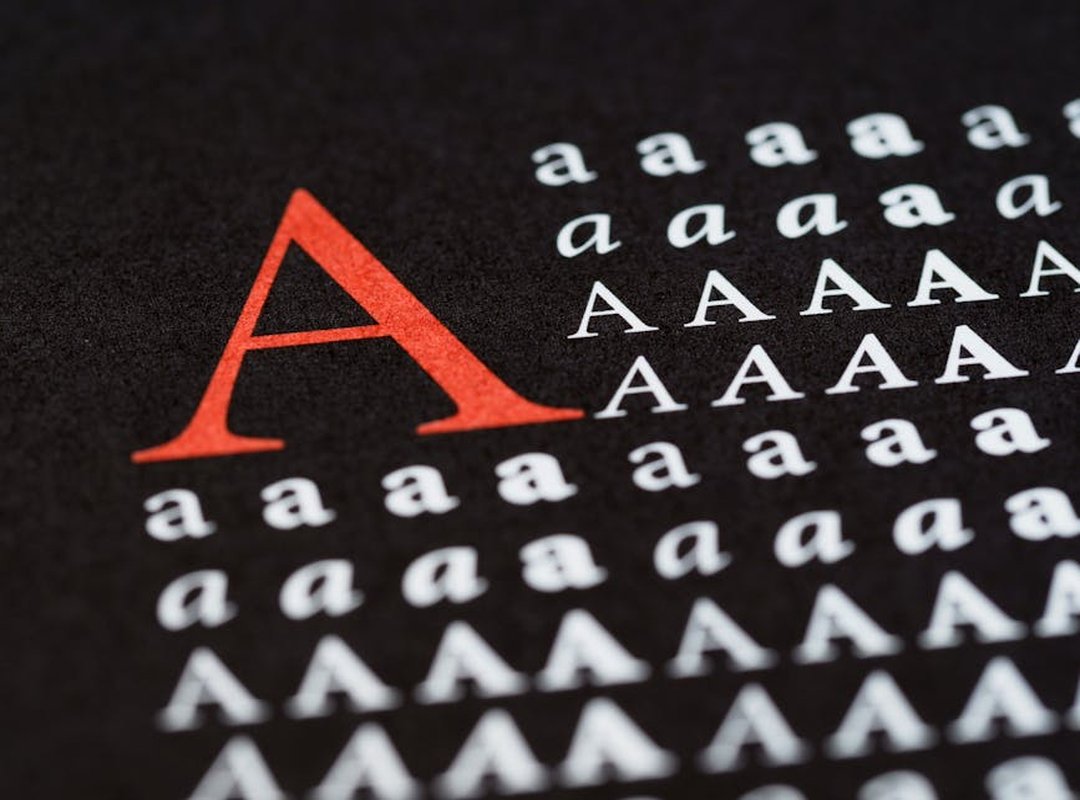
Finding high-quality, royalty-free images and graphics is crucial. But here’s a contrarian take: you don’t always need to go for the most popular or expensive stock photo sites.
- Unsplash – Great for high-resolution photos.
- Pexels – Offers a wide range of free images.
- Canva – Not just for design; they have a good selection of free images too.
Editing tips? Sure, but let’s be real. You don’t need to be a Photoshop wizard.
Basic tools like Canva or even your phone’s built-in editor can do wonders. Crop, adjust brightness, and add a simple filter. That’s often enough.
Consistency is key. But here’s where I disagree with the common advice. You don’t need to stick to one style all the time.
Mix it up a bit. People get bored seeing the same thing over and over.
Use dark:ih71b_rxy_k= imagenes aesthetic. It adds a unique touch and keeps things interesting. Just make sure it aligns with your overall brand and message.
Creating Engaging Social Media Visuals
Creating visuals that stand out on social media can be a game-changer. Let’s dive into some specific tips.
First up, tailor your visuals for each platform. Instagram loves high-quality, visually appealing images. Twitter is all about quick, impactful graphics.
Facebook? It’s a mix, but videos and carousels do well there. (Don’t forget to keep it consistent with your brand!)
Next, storytelling. Use visuals to tell a story. People connect with stories more than just pretty pictures.
Think about the narrative you want to share and how each image or video fits into that.
Interactive elements are key. Add polls, quizzes, and stickers. They make your content more engaging and encourage interaction.
Plus, they’re fun!
Dark:ih71b_rxy_k= imagenes aesthetic can give your visuals a unique, eye-catching look. Try it out and see how it resonates with your audience.
By following these tips, you’ll create visuals that not only look great but also engage and connect with your audience.
Elevate Your Content with Aesthetic Visuals
Intent Reinforcement: Recap the importance of aesthetic visuals in creating engaging and impactful content.
Aesthetic visuals are crucial for capturing attention and making a lasting impression. They can transform ordinary content into something memorable and shareable.
The Solution: Summarize the key takeaways and actionable steps to improve your visual content.
Start by choosing a consistent color palette and font style. Use high-quality images and graphics that align with your brand. Experiment with different layouts and compositions to find what works best.
Final Thought: Encourage readers to experiment and continuously refine their visual design skills.
Don’t be afraid to try new things. dark:ih71b_rxy_k= imagenes aesthetic can inspire you to push boundaries and create visually stunning content. Keep refining your skills, and watch your content reach new heights.

 Billake Bartow is a passionate tech writer at HouseZoneSpot, known for his deep understanding of smart home innovations and digital living. His articles focus on practical technology that enhances everyday comfort, convenience, and energy efficiency in modern homes.