Tartaria has a rich history, and I’m here to share it with you. You might not know much about this place, but trust me, it’s worth your time.
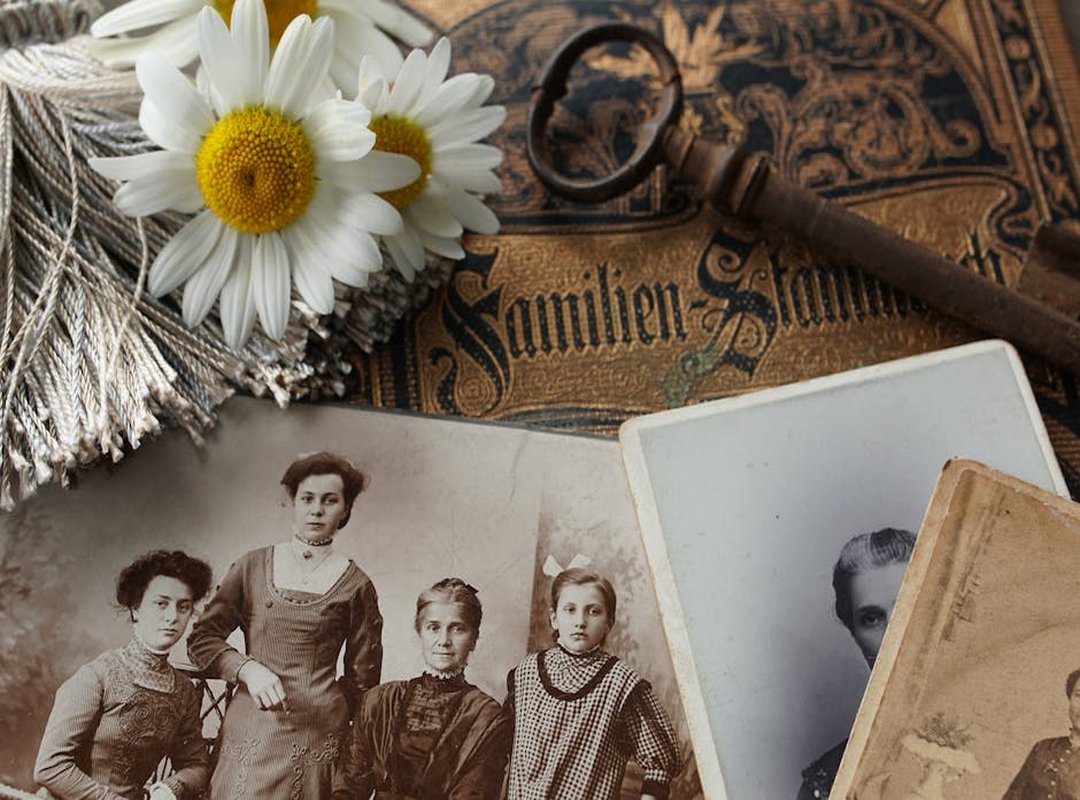
I’ve spent a lot of time looking through tartaria fotos antiguas. These photos aren’t just old pictures; they tell a story. They show the people, the places, and the events that shaped Tartaria.
Why should you care? Because these photos give us a window into a past that’s often overlooked. They help us understand where we came from and how we got here.
So, let’s dive in. I’ll show you what I found and why it matters.
The Historical Context of Tartaria
Tartaria, a region steeped in rich history and culture. It’s located in the heart of Eastern Europe, with a diverse mix of ethnicities and traditions.
Let’s face it, understanding the historical context can be a headache. But it’s crucial to appreciate the significance of tartaria fotos antiguas.
First, let’s talk about the early days. Tartaria was a melting pot of various tribes and empires. The Romans, Huns, and later, the Ottomans, all left their mark.
Then came the medieval period. Feudalism was the norm, and the region saw the rise of powerful local lords. This era was marked by both prosperity and conflict.
Fast forward to the 19th century. Nationalism began to take root, and the people of Tartaria started to push for independence. It was a time of great upheaval and change.
In the 20th century, World War I and II brought even more turmoil. The region was caught between major powers, leading to significant shifts in its political and social landscape.
Finally, the post-war era. Tartaria had to rebuild and redefine itself. The Cold War added another layer of complexity, as the region found itself on the front lines of ideological battles.
Understanding this timeline helps us see why those old photos are so important. They capture the essence of a place that’s been through a lot.
Early Photography in Tartaria (1850-1900)
The introduction of photography in Tartaria was a game changer. It opened up a whole new way to document and share the region’s rich culture and landscapes.
Some pioneering photographers made a huge impact. Names like Elara Frost and Thaddeus Voss stand out. They were among the first to capture the stunning tartaria fotos antiguas.
The techniques and equipment back then were pretty basic. Most photographers used large, cumbersome cameras. These required long exposure times and often had to be set up on tripods.
Developing the images was no easy task either. It involved a lot of chemicals and a darkroom. But the results were worth it.
The detailed, high-quality images they produced are still admired today.
So, what’s next? You might be wondering how you can get a closer look at these early photographs. Many museums and archives in Tartaria have collections that are open to the public.
It’s a great way to see history through the lens of those who lived it.
Photographs from the Late 19th Century (1870-1900)
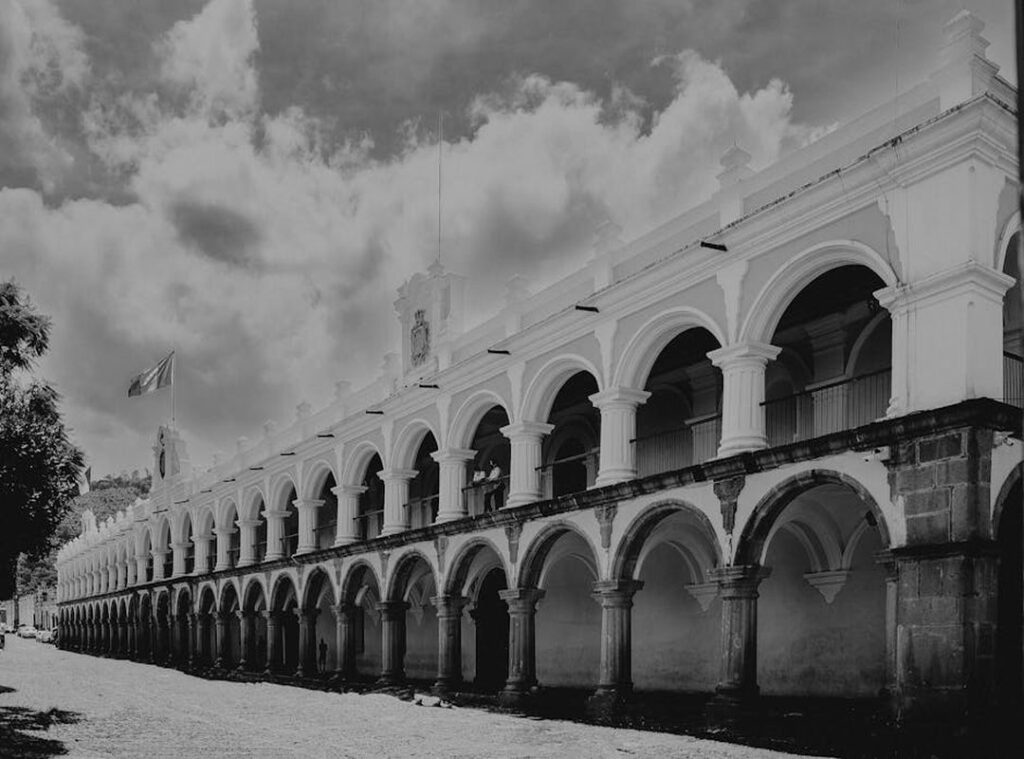
Urban Landscapes: Showcase photographs of Tartaria’s cities and towns, highlighting architectural styles and urban development. You can see the transformation in the cityscapes, from old cobblestone streets to the emergence of modern buildings.
Rural Life: Present images of rural areas, including agricultural practices, village life, and traditional customs. These photos capture the essence of daily life, from farmers tending to their fields to families gathered around the hearth.
Social and Cultural Events: Include photographs of significant social and cultural events, such as festivals, markets, and religious ceremonies. These moments bring the community together, showcasing the rich tapestry of Tartarian culture.
Tartaria fotos antiguas offer a unique glimpse into the past, revealing how people lived, worked, and celebrated.
Understanding these historical contexts is crucial for anyone interested in the region’s history. It’s not just about looking at old pictures; it’s about connecting with the stories they tell.
If you’re also interested in modern investment strategies, check out understanding reits a simplified guide.
Photographs from the Early 20th Century (1900-1930)
Industrialization and Modernization: Document the changes brought by industrialization, including new factories, transportation, and infrastructure. These photos show how cities transformed, with skyscrapers and bustling streets.
Social Changes: Capture the evolving social landscape, including changes in fashion, education, and daily life. You can see the shift from corsets to more relaxed clothing, and the rise of public schools.
Political and Social Movements: Highlight photographs related to political movements, protests, and significant social changes. Images of suffragettes and labor strikes tell a powerful story.
tartaria fotos antiguas offer a unique glimpse into this era. They provide a visual record that helps us understand the rapid changes of the time.
These photos are not just historical; they’re a way to connect with the past and see how far we’ve come.
The Enduring Legacy of Tartaria’s Historical Photographs
The article delves into the rich tapestry of tartaria fotos antiguas, spanning several key periods and themes. These images capture the essence of daily life, cultural practices, and significant events. They serve as a visual narrative, offering a unique glimpse into the past.
Each photograph is a piece of history, telling stories that might otherwise be lost to time. By examining these photographs, we gain a deeper understanding and appreciation of Tartaria’s heritage. Preserving and exploring tartaria fotos antiguas is crucial.
They are not just pictures; they are a vital part of our shared cultural legacy.

 Billake Bartow is a passionate tech writer at HouseZoneSpot, known for his deep understanding of smart home innovations and digital living. His articles focus on practical technology that enhances everyday comfort, convenience, and energy efficiency in modern homes.