Start with Smarter Materials
When it comes to greening your space, what you build with matters. Choose renewable options like bamboo, cork, or reclaimed wood. They’re durable, low impact, and skip the environmental toll of freshly milled hardwoods. Plus, using reclaimed materials keeps waste out of landfills and gives your interiors a unique, lived in edge.
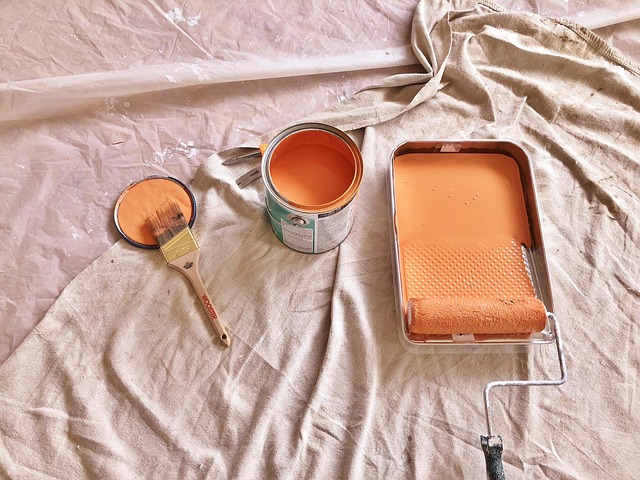
Paints and finishes? Go for low or zero VOC. Volatile organic compounds (VOCs) don’t just smell bad they release toxins into your air for weeks. Swapping them out helps protect indoor air quality without compromising on style.
Keep an eye out for FSC® certified wood. That stamp means the material came from forests managed with care, not clear cut for profit. Same goes for textiles: look for responsibly sourced fabrics made with natural fibers or recycled content. The goal isn’t perfection it’s progress through better choices, one layer at a time.
Rethink Furniture Choices
Sustainability doesn’t mean sacrificing style it just means making smarter calls when you furnish your space. First, skip the showroom shine and go second hand. Vintage and reclaimed pieces not only reduce waste, they bring character you can’t buy off a factory floor. Thrifting, estate sales, online marketplaces they’re all goldmines for solid, well built furniture with stories behind them.
If you’re buying new, go for quality. One solid piece that lasts a decade is more sustainable than a cheap table that collapses in year two. Look for real wood, clean craftsmanship, and timeless design.
Lastly, put your dollars behind ethics. Some brands are actively doing the right thing paying workers fairly, cutting carbon, using sustainable materials. They’re not always the cheapest, but they’re building furniture that aligns with your values, not just your floor plan.
Maximize Natural Light
Natural light can make a space feel bigger, brighter, and more alive and it saves energy. Start with your windows. Sheer curtains or adjustable blinds let daylight filter in without overheating the room or compromising privacy. During bright hours, that’s free illumination you don’t have to plug in.
Next, think about how light moves. Mirrors are more than decoration they bounce sunlight around the room. One mirror across from a window can double the glow.
For rooms that feel like permanent dusk, it might be time to think overhead. Skylights or solar tubes can flood a space with sun even if traditional windows don’t reach. They’re not just for new builds many retrofits are easier than you’d think. The payoff? Lower light bills, better mood, and a longer daily stretch of natural light.
Upgrade Energy Efficiency

If your home is still running on appliances from a decade ago, they’re probably draining more energy (and money) than you realize. Swapping them for modern, energy efficient models is one of the simplest ways to reduce your footprint without sacrificing function. Look for ENERGY STAR® ratings they’re your shortcut to smarter consumption.
Smart thermostats are another no brainer. They learn your habits and adjust heating and cooling to save power without you having to think about it. Combined with LED lighting throughout the house, you’re cutting waste at the source and trimming utility bills in the process.
Then there’s the silent thief: phantom power. Even when turned off, electronics pull electricity just by being plugged in. Smart plugs or advanced power strips shut that nonsense down. Set schedules, monitor usage, and only power what you actually use.
Every switch, bulb, and plug matters. For more simple upgrades that won’t break the bank, check out these budget friendly improvements.
Add Greenery that Gives Back
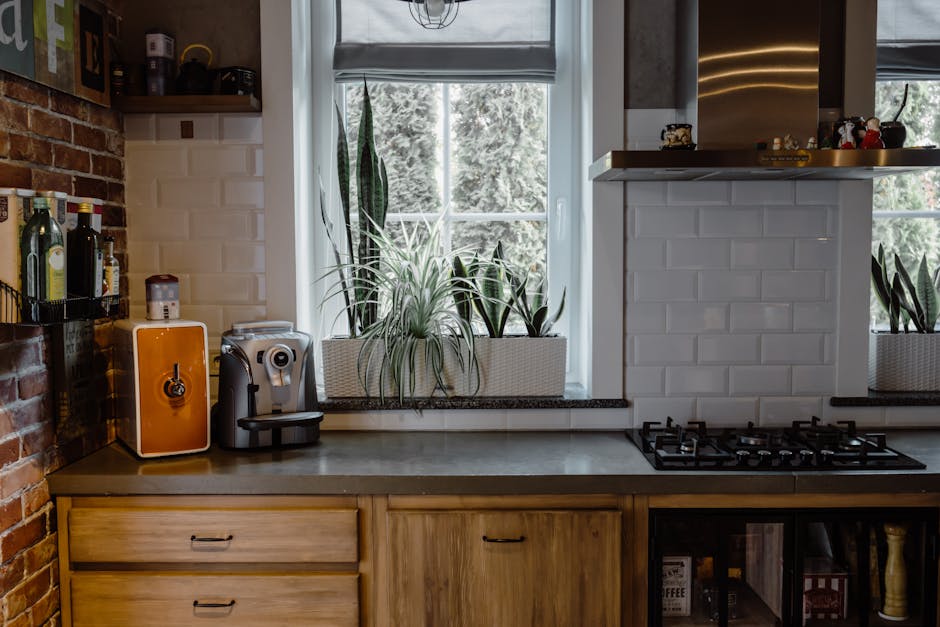
Indoor plants are one of the simplest ways to make your space feel alive and they do more than just sit pretty. Some houseplants actually help filter common indoor air pollutants, making the air you breathe a little cleaner. Plus, bringing natural elements inside has a steadying effect on mood and focus.
If you’re not the green thumb type, no stress. Go for low maintenance options like snake plants, pothos, or ZZ plants. They’re resilient, thrive in a variety of light conditions, and won’t punish you for forgetting to water them here and there.
Make the setup even more sustainable by planting in upcycled or second hand containers. Old mugs, baskets, or salvaged pots add character and cut down on waste. It’s a small shift, but over time, it adds up visually and environmentally.
Be Strategic with Water Use
Water conservation often gets overlooked in interior design, but the impact is real and measurable. Start simple: low flow faucets, efficient showerheads, and dual flush toilets are now standard in water conscious homes. They do the job without wasting gallons down the drain.
Want to do more? Greywater systems let you reuse water from sinks or showers to flush toilets or hydrate plants. It’s not glamorous, but it works and it adds up fast on your utility bill. For those planning a bigger renovation, it’s worth looking at layouts that minimize long pipe runs and support water wise fixture placement. Less waste, more function.
Smart water use doesn’t mean sacrificing design. It means designing with intention.
Decor with a Conscience
Trends come and go, but landfills are forever. The best way to make your space look good without making the planet pay for it? Skip the fast décor cycle. Trendy plastic accents and season by season overhauls wear thin both aesthetically and environmentally. Instead, focus on timeless design choices. Think neutral palettes, clean lines, and pieces that adapt as your style evolves.
Get resourceful with DIY decor, especially when using reclaimed or repurposed items. Old wood becomes shelving. Mason jars become pendant lights. A little grit and creativity go a long way in keeping materials out of landfills and giving your home character.
When you buy, buy smart. Choose items made from recycled metals, glass, or fabrics that biodegrade naturally when their life is up. This isn’t about perfection it’s about intention. With a few conscious choices, your space can feel personal, purposeful, and low impact.
Check out more budget friendly improvements that align with sustainable style.
Room by Room Mindset
Sustainability isn’t about overhauling your home all at once it’s about looking closely at what you already have and making smarter choices from there. Every space contributes to your home’s overall impact. That means the overlooked zones closets, pantries, laundry areas deserve a second look.
Start simple. In closets, ditch plastic hangers for wood or metal, and donate clothes you don’t wear. In the pantry, reduce food waste with airtight glass containers and a first in, first out system. The laundry room? Swap out chemical heavy detergents for eco friendly options and wash with cold water whenever possible.
It’s not about perfection. Sustainability sticks when it becomes part of your rhythm, not a weekend project. Build small habits, stay consistent, and look for progress not an endpoint.

 Gregory Martindalerons is a dedicated technology author at HouseZoneSpot bringing readers the latest updates on home automation, AI integration, and futuristic living solutions. His clear and engaging approach helps readers stay ahead in the evolving world of smart technology.