
You’ve walked into a house that looks perfect on Instagram.
Then you live in it for a week.
And something feels off. Like the space doesn’t breathe with you.
I’ve seen it happen too many times. Gorgeous facades. Flawless renderings.
Zero connection to the people who actually sleep, cook, argue, and laugh there.
That’s not architecture. That’s decoration with a foundation.
The problem isn’t bad taste. It’s bad priorities. Too much focus on what looks good outside, and not enough on how it feels inside your life.
Architecture Plans Kdainteriorment isn’t about forcing your life into a pre-made box.
It’s about starting with your rhythms. Your mess. Your quiet mornings and loud dinners.
I don’t sketch floor plans first. I ask questions. Real ones.
Not “how many bedrooms?” but “where do you lose yourself for an hour without checking your phone?”
This article shows you how that process works. Step by step. No jargon.
No trends.
You’ll see how a home stops being a project and starts being a place you recognize.
I’ve done this for over a decade. With real families. Real budgets.
Real constraints.
What you get here isn’t theory. It’s the exact method we use (every) time. To turn structure into sanctuary.
Beyond Blueprints: What Kdainteriorment Actually Believes
I don’t design spaces to look good in a photo. I design them to be lived in. Deeply, slowly, without friction.
Kdainteriorment starts with this: human rhythm is the only metric that matters.
Not square footage. Not trend cycles. Not what’s selling on Instagram this week.
Most firms slap down a floor plan, pick finishes off a swatch book, and call it done. I’ve seen it. You’ve felt it (that) hollow “nice” feeling when you walk into a space that looks perfect but just… doesn’t settle.
We don’t follow trends. We ignore them until they’re irrelevant.
Every decision (from) how we read the slope of the land to which wood grain faces the morning light. Answers one question: How does this serve the person who breathes here?
That’s why we sculpt with light. Not just install windows. We track sun angles.
We test shadow paths across seasons. We time the warmth hitting the kitchen counter at 7:13 a.m. so coffee feels like a ritual, not a chore.
Material selection isn’t about luxury labels. It’s about texture your hand recognizes before your eyes do. Weight.
Sound. How it ages. Not hides (time.)
Architecture Plans Kdainteriorment aren’t blueprints. They’re translations.
Translations of silence. Of memory. Of where someone pauses, leans, lingers.
You know that moment when you walk into a room and instantly exhale? That’s not luck. That’s the philosophy working.
And if your current plans don’t make you exhale (what) are you really building?
Architectural Styles: Not Just Pretty Pictures
I don’t do “styles” like a menu. I build rooms that breathe.
Modern Minimalist? Yes. But not the kind that feels like a museum waiting for a “Do Not Touch” sign.
(You know the one.) Clean lines (yes.) Empty space. No. We layer raw oak against matte plaster.
We sink lighting into ceilings so it glows up, not down. That warmth stops it from feeling cold. That texture stops it from feeling fake.
Warm Contemporary is where people actually live. Not just pose in. Think wide-plank floors, but with visible grain and slight variation.
Not perfect. Not polished. A stone fireplace that looks like it grew out of the wall.
Not bolted on. We use blackened steel beams, but wrap them in linen-wrapped columns at the base. You feel grounded first.
Then you notice the details.
Transitional Classic? That’s where we cheat time. A Shaker cabinet door meets a 19th-century brass pull.
Crown molding stays, but it’s painted the same color as the wall. So it fades, not shouts. We keep symmetry, but break it with one asymmetrical shelf unit or a single curved sofa.
It doesn’t shout “old” or “new.” It says “this works.”
Our take isn’t about slapping a label on a mood board. It’s about how light hits a surface at 4 p.m. How your hand feels on a drawer pull.
Whether you want to sit still or move through the space.
That’s why Architecture Plans Kdainteriorment always start with your habits. Not your Pinterest board.
If you’re sketching walls before you’ve walked your own hallway in bare feet, you’re skipping step one. (And yes, I mean bare feet.)
We lay out rooms so doors swing away from traffic paths. So windows align with sitting height. Not ceiling height.
So cabinets open without knocking into chairs.
You want real talk on how those decisions get made? Building Advice Kdainteriorment walks through three actual floor plans. Line by line.
No fluff. Just what moved where. And why it mattered.
Your Dream, Not My Blueprint
I don’t start with a ruler. I start with your coffee order and what time you actually wake up.
That first meeting? It’s not a questionnaire. It’s me asking why you hate your current kitchen counter (spoiler: it’s usually the height).
Or how many times you’ve tripped over that one step in the hallway. Or whether you plan to age in place. Or just want space for your Peloton.
You tell me about your life. I listen. Hard.
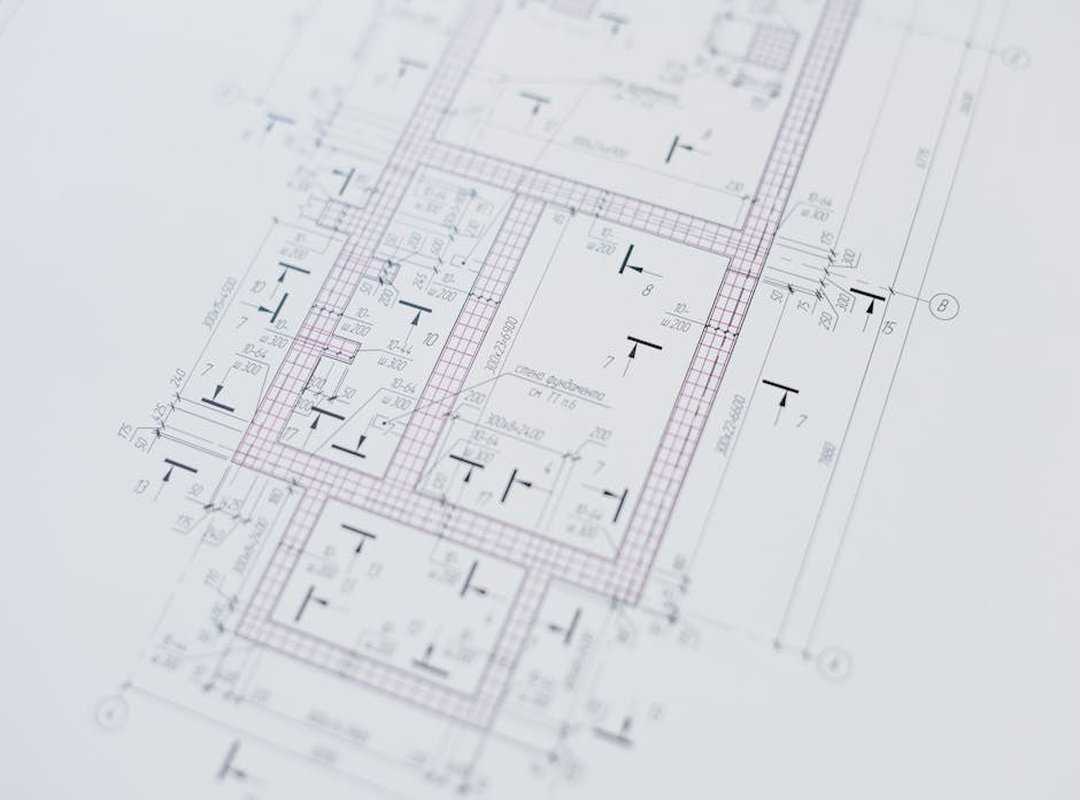
Then we move to visuals. Not vague sketches. Architecture Plans Kdainteriorment means showing you a 3D walkthrough before a single wall goes up. I send mood boards with real fabric swatches (not) Photoshop ghosts.
You pick the tile. You reject the cabinet style. You say “this feels cold” and I believe you.
(Yes, I’ve had clients cry over a backsplash selection. That’s fine.)
Refinement isn’t polishing. It’s protecting. Once the vision clicks, I hand off technical drawings.
But I stay in the room with your builder. Not as a consultant. As a co-signer.
If they suggest swapping structural beams to save $2,000? I push back. Hard.
Because good design dies in translation. Not in the studio.
I’ve watched beautiful concepts get butchered by miscommunication. One client got a vaulted ceiling where we’d specified flat. Because the builder skimmed the notes.
We fixed it. But it cost time. Stress.
Extra money.
So I over-communicate. I send voice notes. I mark up PDFs live on Zoom.
I ask builders to repeat instructions back to me. Like we’re in middle school.
Partnership isn’t a buzzword. It’s me texting you at 7:14 a.m. saying “the lighting plan is updated. Look at slide 5.”
You’re not hiring a drafter. You’re hiring someone who shows up (even) when it’s awkward.
If you want to understand how this all fits together, check out What architecture is all about kdainteriorment.
That page answers the question you’re already asking: Is this process actually collaborative (or) just polished sales talk?
Your House Should Feel Like You (Not) a Showroom
I’ve watched people settle. Again and again. They pick floor plans off a rack.
Sign the papers. Move in. And feel hollow.
That’s not living. That’s renting space you own.
You didn’t start this search because you wanted more square footage. You started because you’re tired of walking into rooms that don’t breathe with you. Tired of design choices made for resale (not) for your mornings, your quiet, your chaos.
The fix isn’t prettier renderings. It’s a process that listens first. That treats your habits, your light preferences, your weird little storage needs like data.
Not afterthoughts.
Architecture Plans Kdainteriorment means your values shape the walls. Not the other way around.
Your environment isn’t background noise. It’s the silent force shaping your focus. Your calm.
Your energy. Every single day.
So why keep scrolling through cookie-cutter options?
Why let someone else define “enough” for your home?
You already know what’s missing.
You just need someone who’ll build with you (not) over you.
Call now. Schedule your consultation. Let’s draw the first line of something real.

 Billake Bartow is a passionate tech writer at HouseZoneSpot, known for his deep understanding of smart home innovations and digital living. His articles focus on practical technology that enhances everyday comfort, convenience, and energy efficiency in modern homes.