That gorgeous living room you spent months picking out?
It still feels off.
You walk in and think (why) does this space look right but feel wrong?
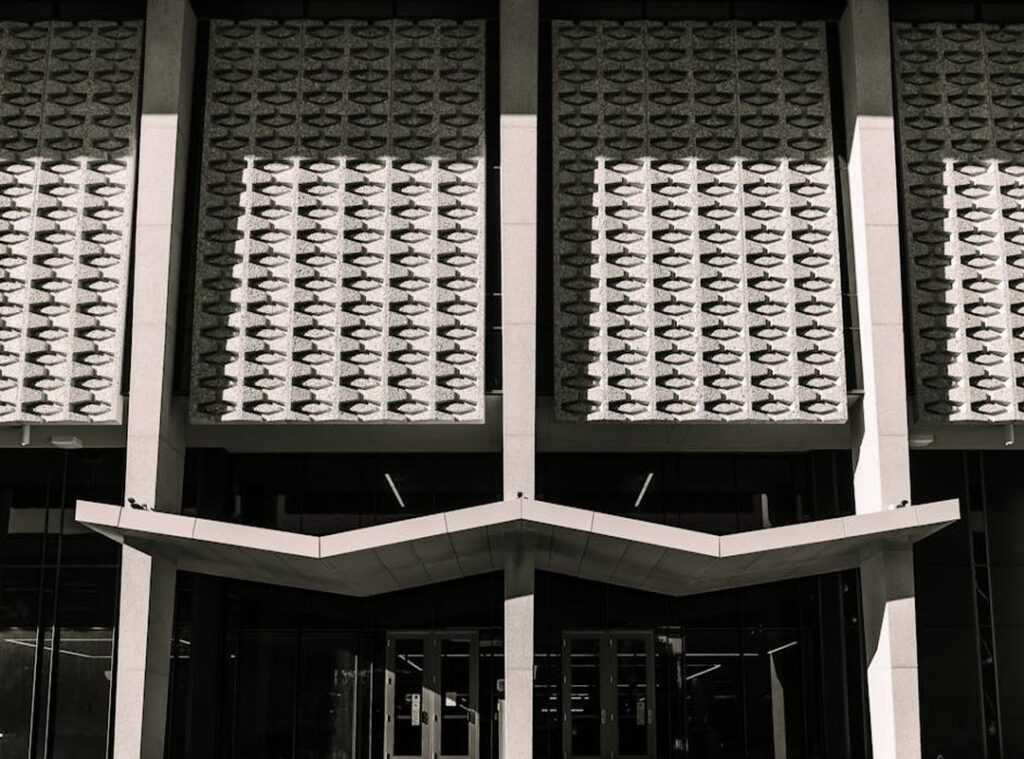
Same with that stunning building downtown. The facade stops traffic. The lobby makes you pause.
Then you step inside and everything falls apart.
I’ve seen it a hundred times.
Architecture Kdainteriorment fixes that.
It’s not decoration. It’s not architecture pretending to be interior design. It’s both.
Happening at once.
I don’t mean “trendy.” I mean foundational. Like knowing which wall to move before you pick the paint.
Most people think interior design starts after the walls go up. Wrong. It starts the second the site plan is drawn.
This article tells you exactly how it works. How it’s different. Why skipping it ruins even the best-looking spaces.
I’ve done this for over fifteen years. Not theory. Real projects.
Real mistakes. Real fixes.
By the end, you’ll know what Architecture Kdainteriorment actually is (and) why it’s the only way to build something that holds together.
What Architectural Interior Design Really Is
It’s not just picking paint and sofas.
Architectural interior design is the art and science of shaping interior space from the bones up. I mean load-bearing walls. Window placements.
Where ductwork hides. How light hits the floor at 3 p.m.
An interior decorator furnishes a room. An interior designer plans furniture layout, finishes, and flow (often) after the walls are up. An architectural interior designer helps decide where those walls go in the first place.
That’s why it matters so much early. Before concrete dries. Before drywall goes up.
I’ve watched clients pay for custom millwork (only) to realize too late their HVAC vents conflict with cabinet placement. That’s avoidable. If you bring in this kind of designer before construction starts.
Here’s how they differ:
| Discipline | Changes Structure? | Integrates Systems? | Starts Before Construction? |
|---|---|---|---|
| Interior Decorating | No | No | No |
| Interior Design | Rarely | Sometimes | Usually no |
| Architectural Interior Design | Yes | Yes | Yes |
Kdainteriorment is one of the few firms that treats interiors like architecture (not) decoration. They’ll walk a site with a structural engineer and sketch revisions on a blueprint (not a mood board).
You don’t need this for every project. But if your space has weird angles, low ceilings, or you’re gutting down to studs? You want someone who reads floor plans like recipes.
Architecture Kdainteriorment isn’t a buzzword. It’s a signal: this person won’t just make it look good. They’ll make it work.
Do you know where your main electrical panel is?
Neither did my client. Until the lighting plan crashed into it.
Pro tip: Ask any firm you’re vetting to show you a redline drawing from a past job. If they hesitate, walk away.
The Core Principles: Where Structure Meets Style
I don’t design rooms. I design how people move, pause, breathe, and feel.
That’s the first thing you need to know.
Spatial Planning & Flow
I walk every space before I draw anything. Not on paper (in) my head, then on-site. Where does your eye land first?
Where do your feet naturally turn? What feels like a threshold (and) what feels like a trap?
Zones aren’t boxes. They’re verbs. A kitchen isn’t for cooking.
It’s for gathering, for passing through, for pausing with coffee.
If your dining area forces you to backtrack past the fridge every time you get water, it’s broken. Fix it.
Manipulation of Light & Volume
Light isn’t decoration. It’s architecture.
High ceilings don’t just look dramatic (they) change how sound moves, how heat pools, how long you’ll stay in a room. A low ceiling over a reading nook? That’s intentional intimacy.
South-facing windows aren’t just “nice.” They’re daylight plan. And skylights? They’re commitment.
You’ll clean them. Or regret it.
Material Cohesion
Brick outside should talk to brick inside (or) deliberately not talk to it. But it must mean something.
I’ve seen hardwood floors clash with steel beams because someone picked “what looked warm” instead of “what belonged.”
Flooring, walls, fixtures. They’re not accessories. They’re siblings.
Treat them that way.
Systems Integration
HVAC vents aren’t ugly things to hide. They’re part of the rhythm of the ceiling.
Electrical outlets belong where hands reach (not) where blueprints say “standard placement.” Plumbing lines shape wall thickness. Always.
This is Architecture Kdainteriorment: where systems don’t support design (they) are the design.
You wouldn’t hang art over a duct you hadn’t planned for. So why treat ducts like afterthoughts?
From Blueprint to Reality: How It Actually Happens
I’ve watched projects die in schematic design. And I’ve seen them thrive. Because someone stuck to the timeline.
Step one is Conceptual & Schematic Design. That’s where you sit with the architect and talk about bones. Not finishes.
Not fixtures. The walls, the flow, the light paths. You ask: Does this room breathe? If the answer’s no, fix it now.
Not later.
You sketch. You erase. You redraw.
This isn’t decoration yet. It’s spatial logic.
Step two is Design Development. Now you pick tile. You test paint swatches under real light.
You build 3D renderings so you see the ceiling height before drywall goes up. (Spoiler: most people underestimate how low a 9-foot ceiling feels with crown molding.)
This is where decisions get expensive. So make them deliberately (not) because the sample book looked nice.
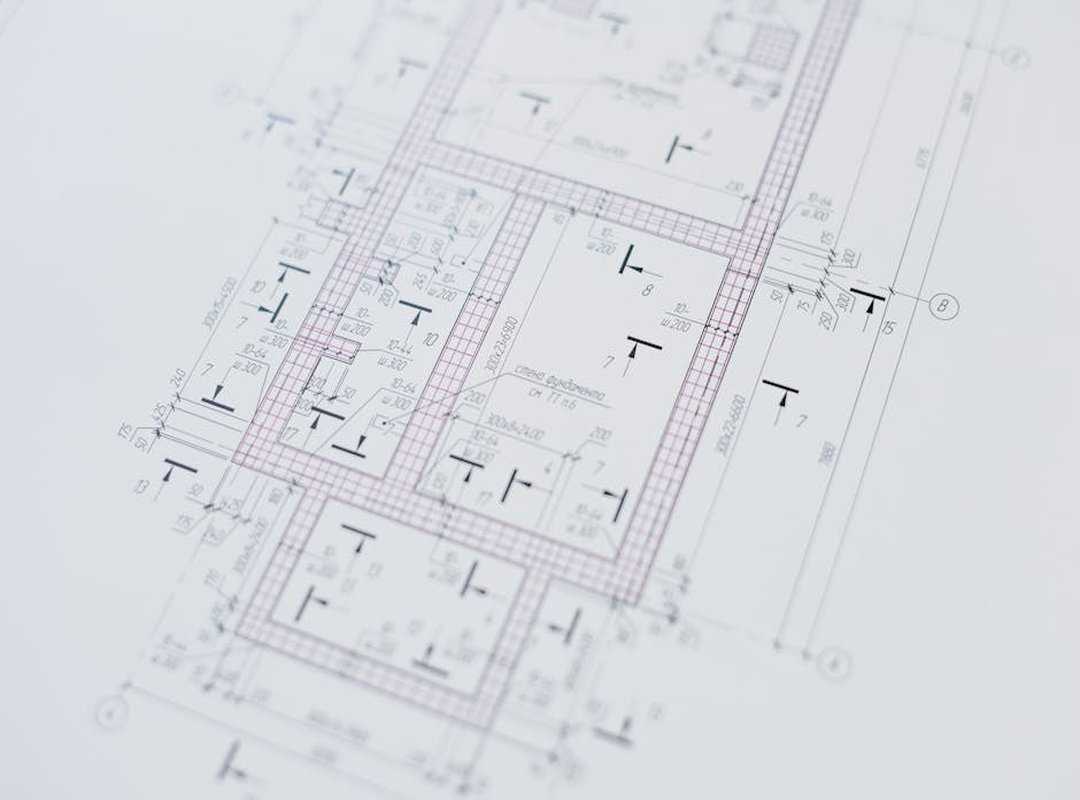
Step three is Construction Documentation. These aren’t pretty pictures. They’re legal instructions for builders.
Every outlet. Every stud spacing. Every door swing radius.
Miss one detail here, and the electrician rewires twice.
I once saw a $40k lighting plan scrapped because the dimmer locations weren’t called out on the switch schedule. Don’t be that person.
Step four is Construction & Installation. You show up. You watch.
You catch the baseboard gap before caulk dries. You verify the tile layout matches the rendering (not) just the sample board.
This is where Architecture Kdainteriorment lives or dies.
If you want the full sequence (what) to sign, when to approve, which change orders cost extra (this) guide walks through every checkpoint.
I keep a printed copy taped to my clipboard. You should too.
No one teaches this in school.
They expect you to know it.
You don’t have to.
Why Bother With Integration?
I’ve watched too many projects fall apart because someone treated architecture and interiors as separate jobs.
They picked a gorgeous facade. Then hired a decorator who brought in neon pink velvet chairs. (Spoiler: it did not work.)
You get Architecture Kdainteriorment when both sides talk (early) and often.
Higher property value? Yes. Better flow through the space?
Absolutely. No cringe-worthy trend hangovers in five years? That’s the real win.
Cohesion isn’t pretty (it’s) practical. It stops you from ripping out half the kitchen six months after move-in.
It avoids the “we’ll fix it later” trap that costs twice as much.
You don’t need more options. You need fewer mistakes.
Start with the whole picture. Not just the parts you like most.
That’s why I always point people to the Building Guide Kdainteriorment.
Spaces That Work. Not Just Look.
I’ve seen too many places that photograph well but feel wrong to live in.
They’re disjointed. Cold. Like the building forgot who it’s for.
You want space that breathes with you. Not fights you.
That’s why Architecture Kdainteriorment isn’t decoration tacked on at the end. It’s structure and soul built together from day one.
Great design doesn’t wait. It starts where walls meet purpose.
You already know what it feels like to walk into a room and instantly relax. Or instantly tense up. That’s not coincidence.
That’s design doing its job (or failing).
So ask yourself: Is your next project going to solve for aesthetics. Or for how people actually move, think, and live?
Start with the human. Then build around them.
Let’s make your next space work. Deep down.
Call now. We’re the top-rated team for this exact thing.

 Billake Bartow is a passionate tech writer at HouseZoneSpot, known for his deep understanding of smart home innovations and digital living. His articles focus on practical technology that enhances everyday comfort, convenience, and energy efficiency in modern homes.