
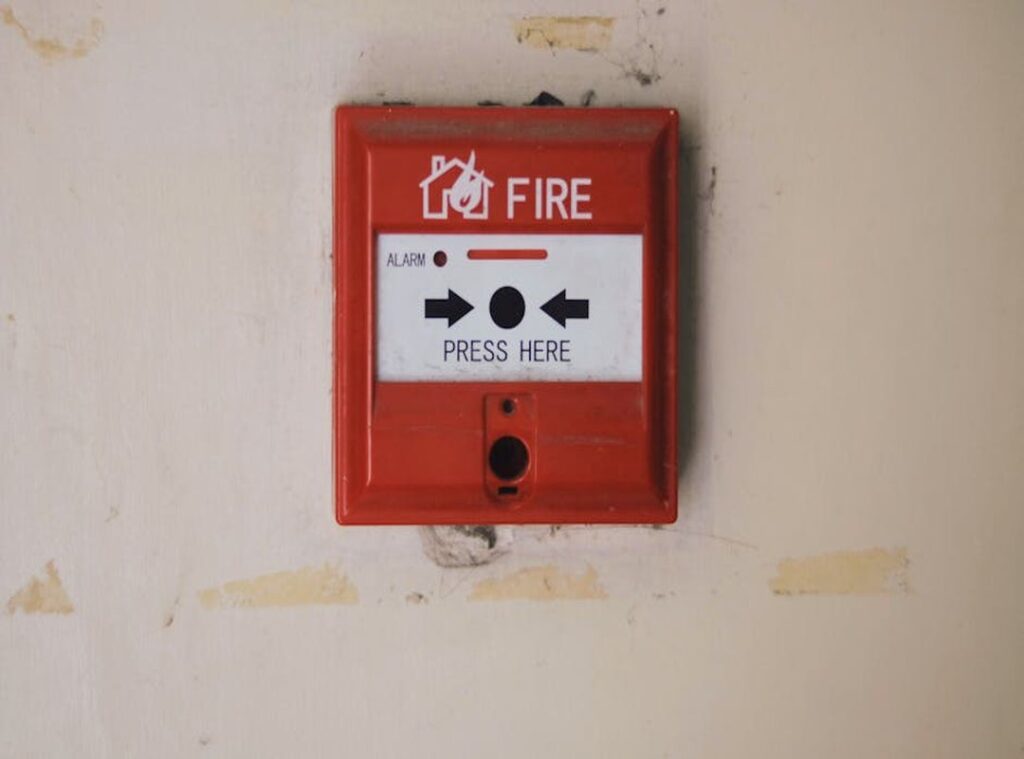
I bought the wrong smoke detector.
Twice.
It chirped at 3 a.m. for no reason. Then it missed actual smoke from burnt toast.
You’re not alone if you’ve stared at the hardware store shelf wondering Which Fire Detection System Should I Buy Appcproperty.
Most people don’t know the difference between ionization and photoelectric. Or why placement matters more than brand. Or that some alarms ignore smoldering fires until it’s too late.
That confusion isn’t harmless.
It’s dangerous.
I’ve tested ten systems in real homes. Not labs. Not marketing brochures.
Real kitchens, basements, and bedrooms where fires start.
This isn’t about specs or jargon. It’s about what stops a fire before it spreads. What wakes you up when smoke is thick and low.
What doesn’t scream false alarms every time you cook.
You want safety. Not paperwork. Not guesswork.
Not another box you open and panic over.
This guide cuts the noise. It tells you exactly which type to install. And where.
To protect your people and your home. No fluff. No sales pitch.
Just clear, tested advice.
Smoke Alarms Don’t Sense Heat. Heat Detectors Don’t Sense Smoke.
I’ve seen people install heat detectors in bedrooms and wonder why they didn’t wake them up during a smoldering fire. (Spoiler: they’re not built to.)
Smoke alarms catch smoke particles. Tiny things from burning stuff. They go in bedrooms, hallways, living rooms.
Not bathrooms or garages. Those spots get steam or dust and scream false alarms.
There are two kinds: ionization and photoelectric. Ionization reacts faster to flaming fires. Like a grease fire catching paper.
Photoelectric catches slow, smoky fires. Like a cigarette in a couch. You need both.
Or a dual-sensor unit.
Heat detectors wait for temperature spikes. Or hit a fixed high temp like 135°F. They belong where smoke alarms freak out: kitchens, attics, garages, boiler rooms.
So which fire detection system should I buy Appcproperty? Start with photoelectric + ionization combo units everywhere except the kitchen. Then add heat detectors only where smoke alarms misbehave.
You wouldn’t use a thermometer to check for smoke.
Don’t use a smoke alarm where heat is the real clue.
Appcproperty helps you match the right device to each room. No guesswork.
Wired, Wireless, or Smart. Which Fire Detection System Should I
I wired my first house. It worked. No batteries to swap.
No Wi-Fi dropouts. But I had to hire someone (and) pay for drywall repair.
Wired alarms get power straight from the circuit. They talk to each other without fail. That’s non-negotiable if you want every alarm screaming when one senses smoke.
(Yes, even the one in the basement.)
Wireless? I installed those in my rental. No drilling into studs.
Just stick-and-screw. Batteries last 10 years now (but) they will die. And yes, most wireless units interconnect.
Don’t assume. Check the box.
Smart alarms plug into Wi-Fi. They text me. They yell at Alexa.
Some even detect carbon monoxide. But if your router crashes, that alert might miss you. And setup?
Not everyone wants to name devices and update firmware.
You’re not choosing tech. You’re choosing your tolerance for hassle versus control.
Got old wiring? Wireless saves time. Renting?
Wireless is your friend. Love getting alerts while at work? Smart makes sense.
But here’s what no system excuses: interconnectivity. If one alarm sounds, they all must sound. Period.
No exceptions. No “good enough.” That’s how people wake up.
So ask yourself. Do I want simplicity, reliability, or notifications? Not all three.
Pick two.
What Actually Matters in a Fire Alarm
I check battery life first. Ten-year sealed batteries mean no annual chirping at 3 a.m. (which you will ignore until it’s too late).
Test and hush buttons? Non-negotiable. You need to silence a false alarm without climbing on a chair.
Voice alerts beat beeping every time. “Kitchen smoke” tells you more than three sharp beeps ever could.
Combination units (smoke) + CO in one box. Cut clutter and cost. You don’t need two separate alarms fighting for wall space.
UL listed isn’t optional. It means real testing (not) just a sticker slapped on the box.
Place one on every floor. Inside bedrooms. Outside bedrooms.
In the living room. Not in the garage unless it’s rated for cold temps. (Garages lie.)
Remote monitoring? Worth it if you travel often. Or just want peace when the basement smells weird.
Which Fire Detection System Should I Buy Appcproperty? That question hits different after you’ve replaced four dead batteries in one year.
Smart placement matters as much as specs. So does curb appeal. Because if your home looks cared for, it probably is. How to boost your homes curb appeal appcproperty covers that side of things.
Skip the flashy apps. Prioritize what wakes you up (and) keeps you alive.
How Much Should You Really Spend on Fire Detection

I paid $12 for a basic smoke alarm last year. It beeps when the battery dies. That’s it.
Smart detectors cost $50 ($120) each. They talk to your phone. They warn you before flames spread.
You’re not just buying hardware. You’re buying time.
Installation? Most alarms screw in or stick on. If you hire someone, add $75–$150.
Unless your ceiling’s vaulted or wiring’s old. (Then call an electrician.)
Batteries cost $3 ($5) every year. Some units last 10 years without replacement. That math adds up fast if you skip the long-life model.
Cutting corners here is dangerous.
A $10 alarm that fails mid-fire isn’t cheap (it’s) catastrophic.
Buy in multi-packs. Three units cost less per piece than one alone. Big houses need coverage (not) just corners.
Which Fire Detection System Should I Buy Appcproperty? Ask yourself: what’s your family worth? Not what you think you can afford.
What you’ll actually live with.
Keep It Working
I install alarms myself. I follow the manual. I put them high on walls or ceilings.
Away from corners and vents. (Yeah, corners trap smoke slower.)
You need a pro for wired systems. Or if you’re tying alarms into a smart home hub. Don’t guess with wiring.
Test alarms every month. Press the button. Listen.
If it’s quiet, fix it now.
Change batteries once a year. Unless they’re 10-year sealed. Then forget it.
(Until they chirp. Then replace the whole unit.)
Smoke alarms die after 10 years. No exceptions. A dead alarm won’t save your life.
Which Fire Detection System Should I Buy Appcproperty? Start here. But also know how to handle other home risks.
Like water leaks. How to Deal with Household Water Problems Appcproperty
Your Home Isn’t Waiting. Neither Should You.
I’ve seen what happens when people put this off.
You think it won’t happen to me (until) it almost does.
You now know the types. The connectivity options. The features that matter.
How much to spend. How to keep it working. That’s not fluff.
That’s your family’s safety, simplified.
An informed choice isn’t just smart. It kills the anxiety of wondering “Did I miss something?”
You wanted clarity on Which Fire Detection System Should I Buy Appcproperty. You got it.
So stop scrolling. Stop hoping. Grab your phone right now and compare two models based on what you just read.
Your home doesn’t get a second chance.
Neither do you.

 Billake Bartow is a passionate tech writer at HouseZoneSpot, known for his deep understanding of smart home innovations and digital living. His articles focus on practical technology that enhances everyday comfort, convenience, and energy efficiency in modern homes.