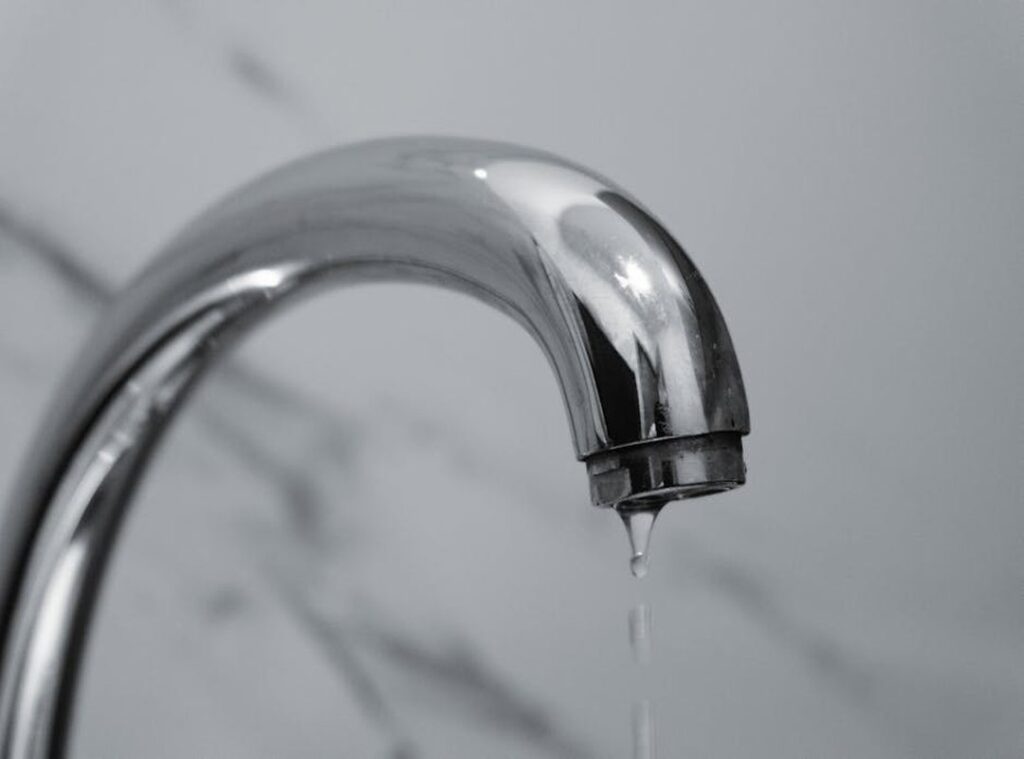
Water stains on the ceiling. A dripping faucet at 3 a.m. That gurgle from the basement drain when it rains.
I’ve seen it all. Fixed most of it. Some things took me three tries.
Others I got wrong the first time and made worse.
You’re not alone if you’re tired of calling plumbers for things that should be simple.
Water problems are rarely small. They get expensive fast. They rot wood.
They warp floors. They invite mold.
This isn’t theory. It’s what I’ve done in real houses (old) ones, new ones, rentals, my own. No jargon.
No guesswork. Just what works.
You’ll learn how to spot the real issue (not) just the symptom (and) fix it yourself, most of the time.
No magic. No gimmicks. Just clear steps.
How to Deal with Household Water Problems Appcproperty is about saving your time, your money, and your sanity.
You’ll know when to grab a wrench and when to call a pro.
You’ll stop reacting and start solving.
What’s that leak really costing you?
How much longer will you wait before checking the water pressure valve?
This guide gives you the confidence to act (not) panic.
Hard Water Is Just Mineral Soup
Hard water means your tap water is swimming with calcium and magnesium.
It’s not dangerous (but) it is annoying.
You see it in the chalky film on your glasses. Feel it in your hair after a shower. Strange and stiff.
That soap scum in your tub? That’s hard water winning.
Soft water has those minerals removed. You lather faster. Your kettle doesn’t grow a crust.
Your skin doesn’t feel like sandpaper.
Want to know what you’ve got? Grab test strips. Or try the DIY soap test: shake water + liquid soap in a bottle.
Few suds + cloudy water? You’ve got hard water.
Left unchecked, hard water builds scale inside pipes and water heaters. It gums up your dishwasher. Cuts appliance life by years.
(I replaced a water heater at 8 years because of it.)
A water softener swaps calcium and magnesium for sodium or potassium.
It’s not magic. It’s ion exchange.
If you’re tired of scrubbing spots and guessing about your water, start here: How to Deal with Household Water Problems Appcproperty
Low Water Pressure? Let’s Fix It
My shower turned into a sad drizzle last Tuesday.
You know that feeling when you twist the knob and nothing happens?
First. Check if it’s just one fixture or the whole house. Turn on the kitchen faucet.
The bathroom sink. The outdoor spigot. If only one is weak, the problem is local.
If everything’s slow, look deeper.
Clogged aerators are the #1 culprit. They’re those little screens screwed onto faucet ends. Unscrew yours, rinse under hot water, poke debris out with a toothpick.
(Yes, really. I’ve pulled out enough gunk to start a small compost pile.)
Showerheads clog too. Soak them in vinegar for an hour. Scrub the holes with an old toothbrush.
Works 80% of the time.
Check shut-off valves under sinks and near toilets. Are they fully open? Not halfway?
Not accidentally bumped closed? I once spent two days troubleshooting (only) to find the valve was at 3 o’clock instead of 12.
Older homes often have mineral buildup inside pipes. Hard water leaves deposits. Pipes narrow.
Flow drops. No quick DIY fix there.
Main shut-off valve or pressure regulator issues? That’s not a weekend project. Call a plumber.
Fast.
You don’t need fancy tools or certifications to test basics. But if cleaning and checking valves changes nothing (you’re) past the DIY line. That’s when you reach for How to Deal with Household Water Problems Appcproperty.
Not as a magic fix, but as a real checklist before the pro arrives.
Small Leaks Aren’t Small
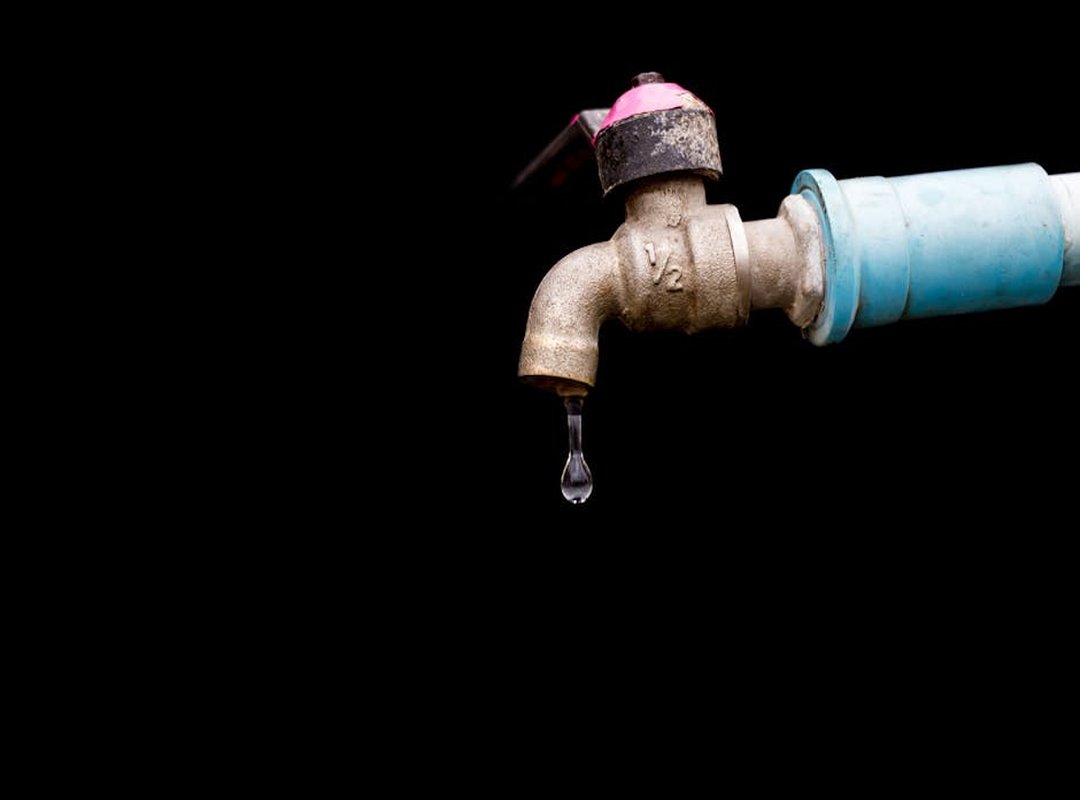
I fixed a dripping faucet last week. It took twelve minutes and cost me three dollars for a new washer. (You probably have one in your junk drawer right now.)
That drip? It wastes over 3,000 gallons a year. It also rots wood, rusts pipes, and grows mold you can’t see.
You’re already thinking: Where do I even look?
Start with faucets. If it drips, the washer or cartridge is worn. Turn off the water under the sink first.
Yes, really.
Toilets leak silently. Drop food coloring in the tank. Wait ten minutes.
If color shows in the bowl? Your flapper’s shot. Or the fill valve’s misadjusted.
Check under sinks. Look for dampness, white crust, or slow drips behind the P-trap. Wipe it dry, check again tomorrow.
Appliance hoses (washing) machine, dishwasher (crack) without warning. Feel them. Look for bulges or splits.
Tighten connections if they wiggle.
Your main shut-off valve? Find it now. It’s usually near the water meter or where the pipe enters your house.
Turn it clockwise to stop everything. Practice once. You’ll thank yourself later.
This is part of How to Deal with Household Water Problems Appcproperty (same) urgency, same hands-on logic as knowing Which Fire Detection System Should I Buy Appcproperty.
Leak today. Flood tomorrow. Fix it before it chooses for you.
Drain Clogs: What Actually Works
Hair. Grease. Coffee grounds.
Soap scum. That’s what stops your drains. Not mystery gunk.
Real stuff you see every day.
Boiling water fixes some grease clogs. Just pour it slow. Don’t use it on PVC pipes if they’re old or cracked.
(Yeah, I learned that the hard way.)
Baking soda and vinegar? It fizzes. It helps loosen light buildup.
But don’t expect miracles on a full blockage. It’s not magic (it’s) chemistry with limits.
Plungers work (if) you seal it right. Wet cloth over overflow holes in sinks. Firm up-and-down motion.
No half-hearted pumps. You feel it when it grabs.
Drain snakes reach deeper. Twist as you push. Pull out the gunk.
Don’t force it. If it won’t budge, stop. You’ll scratch pipes.
Prevention beats fixing. Put screens in every drain. Pour grease into a can.
Not the sink. Run hot water after dishes. Once a week.
Not once a year.
You think flushing helps? It does. Until it doesn’t.
Then you’re elbow-deep in sludge.
Most people wait until water backs up. Why? You know better.
How to Deal with Household Water Problems Appcproperty starts with knowing what’s in your pipes (not) just hoping it vanishes.
I track these fixes on Appcproperty.
Water Problems Don’t Wait
I’ve fixed leaky faucets at 2 a.m. I’ve watched mold creep up a basement wall because someone ignored a damp spot. You know that sinking feeling when the water bill spikes for no reason?
Yeah. That’s not normal.
Unfixed water issues cost money. They wreck drywall, rot floors, and stress you out. You don’t need a degree to spot trouble (just) a little know-how and the guts to look.
How to Deal with Household Water Problems Appcproperty gives you what actually works. Not theory. Not jargon.
Just clear steps for real problems: low pressure, discolored water, weird noises, slow drains.
You can diagnose it yourself. You can fix some of it yourself. But you also need to know when to stop.
And call someone who carries tools heavier than a wrench.
So here’s what to do right now:
Grab a flashlight. Check under sinks. Look behind the toilet.
Feel for dampness near pipes. If something’s off. Even a little (don’t) wait.
Fix it or flag it.
Ignoring small leaks is how you get big bills. Ignoring strange smells is how you get mold. Ignoring your gut is how you lose control.
Start today. Your home’s health depends on it.

 Billake Bartow is a passionate tech writer at HouseZoneSpot, known for his deep understanding of smart home innovations and digital living. His articles focus on practical technology that enhances everyday comfort, convenience, and energy efficiency in modern homes.